



Introduction
As the world increasingly relies upon digital technologies to create new avenues for productiveness, individuals and organizations have turned to smart technologies for automation, data analysis, communication enhancement, and business process optimization alike. Smart technologies incorporate emerging technologies, such as:
Using smart technologies and services allows users to work more effectively, while also cutting down on their need for manual labour by automating repetitive tasks. Smart technologies may include anything from the smart home to a smart security system, automated customer service platforms, and HVAC solutions.
Your organization can achieve greater levels of productivity, security, and streamline operations through utilizing smart technology solutions.
Smart Technology Services: Key Features
1) Automation
Automated systems are an integral part of Smart Technology Services since they can execute stimulating activity automatically without human involvement and as a result lower both costs and time associated with repetitive work. Companies who provide customer service, manage inventory, schedule appointments and reporting activities are examples of how companies use automation through Smart Technology Services.
2) Real-Time Monitoring
A Smart Technology Service includes the ability for its users to view their devices, performance and processes at a specific moment in time. This feature allows organizations to quickly detect issues that need attention, therefore helping them take corrective action before the issue escalates into a major issue for them.
3) Data Analytics
A Smart Technology Service of today will utilize an immense amount of data when executing processes for the purpose of gathering analytics in order to help organizations better understand their customers and ultimately improve their products and/or services. Organizations will be able to make sound decisions based on the data they have collected in order to serve their customers.
4) Enhanced Security
Because cyber-security is a significant concern for organizations today, providing enhanced security to customers utilizing a Smart Technology Service is a major expectation of those organizations. Advanced security measures offered by Smart Technology Services include: encryption, threat detection, secure access control and continuous monitoring of all customer information.
5) Cloud Integration
By using Cloud-based services, users can access their information and/or applications regardless of what part of the world they may be physically located in, therefore providing flexibility and enhanced collaboration among their customers. As a basis, Smart Technology Services provide users with seamless integration into the Cloud.
Advantages of Smart Technology Service
Improved Efficienc
One of the biggest benefits of a Smart Technology Service is improved efficiency. The smart technology automates repetitive manual tasks, providing employees with more time to devote to value-enhancing strategic initiatives.
Reduced Labor Cost
Smart Technology provides businesses with the opportunity to improve their productivity by automating many tasks that were once conducted manually, which helps companies save on their overall operating costs.
Enhanced Customer Experience
Smart Technology helps enhance the customer experience through better service delivery. Utilizing Smart Technology can provide significant benefits to customers, such as reduced wait times, quicker responses, and better service.
Increased Decision-Making Capability
With Smart Technology, you will have access to real-time information and data needed for successful decision-making. By using a Smart Technology Service, businesses can obtain the necessary information needed to make strategic decisions that will support their growth and profitability.
Ability to Scale
Smart Technology solutions can scale up or down based on the size and complexity of your business. As a result, Smart Technology solutions are designed to provide you with the flexibility to expand your systems without incurring significant disruption to your current operations.

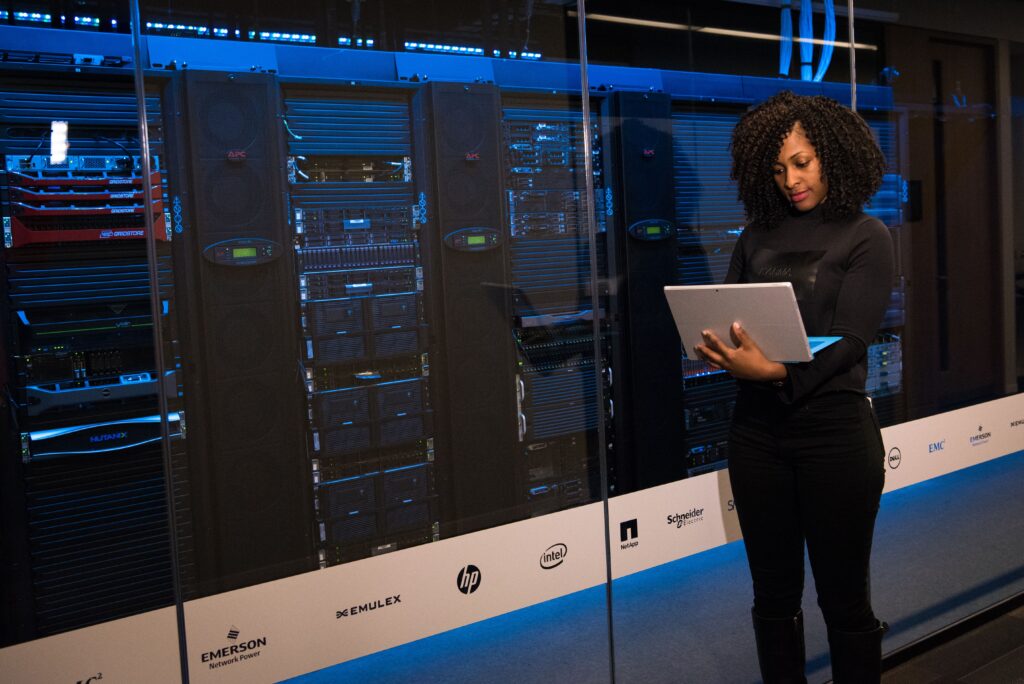
Industries Aggregate Using Smart Technology Service
Health Care
Smart Technology is utilized to provide improved patient care, facilitate the tracking of health conditions, maintain patient medical records, and support remote consultation.
The phrase is defined as “manufacturing through automation and predictive maintenance” (manufacturing) means that manufacturers rely on the use of automated systems and using predictive maintenance for production efficiency and reducing downtime as well as using intelligent monitoring systems (both smart and electronically based) for increasing production efficiency and reducing downtime through the use of automation and predictive maintenance (manufacturing).
Retailers utilize intelligent technology to manage their inventories, analyze customer data, create personalized marketing initiatives, and implement automated checkout processes (retail).
Educational institutions utilize intelligent learning platforms (smart learning) and virtual classrooms (virtual classrooms) as well as data-driven analysis of student learning performances (education).
Financial services organizations utilize intelligent systems (intelligent systems) to detect fraudulent transactions, manage their financial risks, improve the quality of their customer service and streamline their operations (finance).
Smart Technology Services (as the term has been defined) are needed by businesses to remain competitive in an increasingly digitized world; therefore, each business needs Smart Technology Services to be able to adapt to the changing expectations of customers and adapt to the changes brought about by technological innovations.
Businesses that invest in Smart Technologies gain a significant competitive advantage by improving productivity while enhancing customer satisfaction and creating more sustainable business models. As digital transformation continues to take on a higher priority by business sectors, the concept of Smart Technology Services has changed from optional to required.
Smart Technology Services: Selecting the Right Service Provider
Business should take into account the following factors when deciding what Smart Technology Service Provider is best suited for them:
- Industry Experience and Expertise
- Customer Support Quality
- Security Standards and Compliance
- Solution Scalability
- Integration Capability
- Demonstrated Success Record
The right Smart Technology Service Provider will enable businesses to implement Smart Technology Solutions that support both current requirements and future strategic growth efforts.
Conclusion
The Smart Technology Service provides a new way of interacting with Smart Technology. Smart Technology Services utilize automation, data analytics, cloud computing, and intelligent systems to increase productivity, improve security and foster innovation. With digital transformation continuing to drive the future forward, choosing a Smart Technology Service Provider that has established a trustworthy reputation, as well as comprehensive capabilities, is one of the smartest investments an organization may make for its long-lasting success.
Organizations that adopt Smart Technology today will be able to better address the challenges and opportunities of the future.